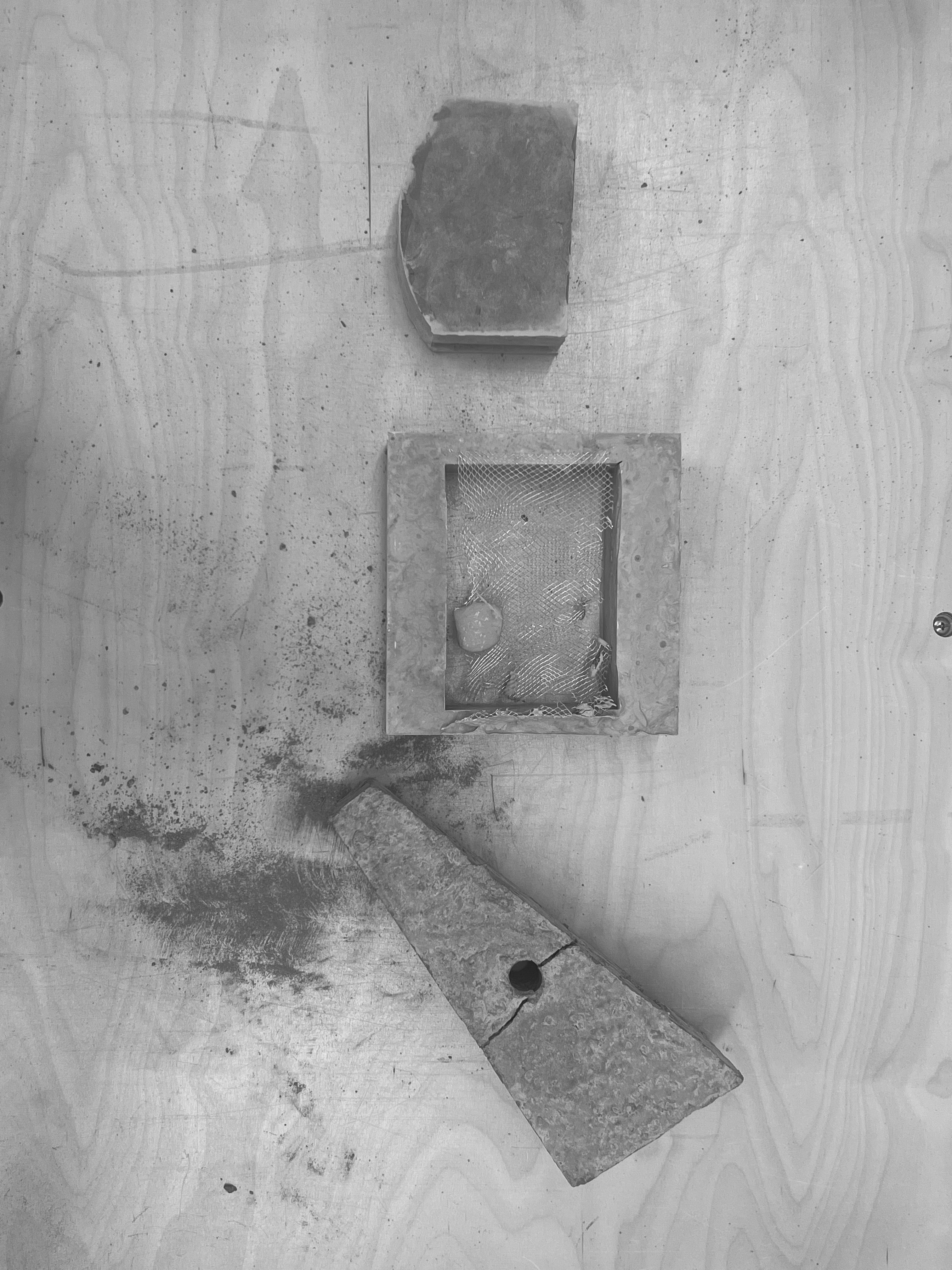
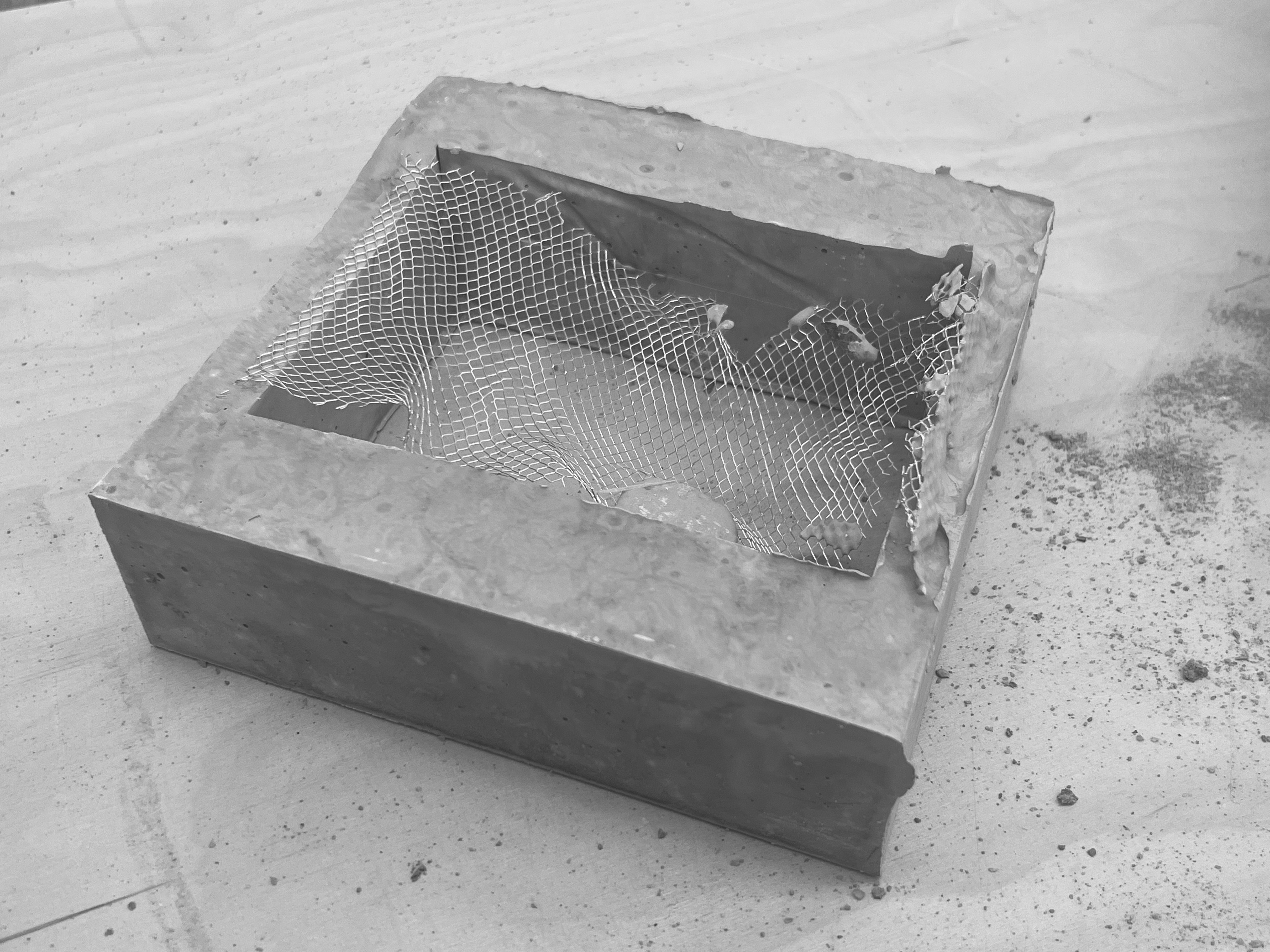
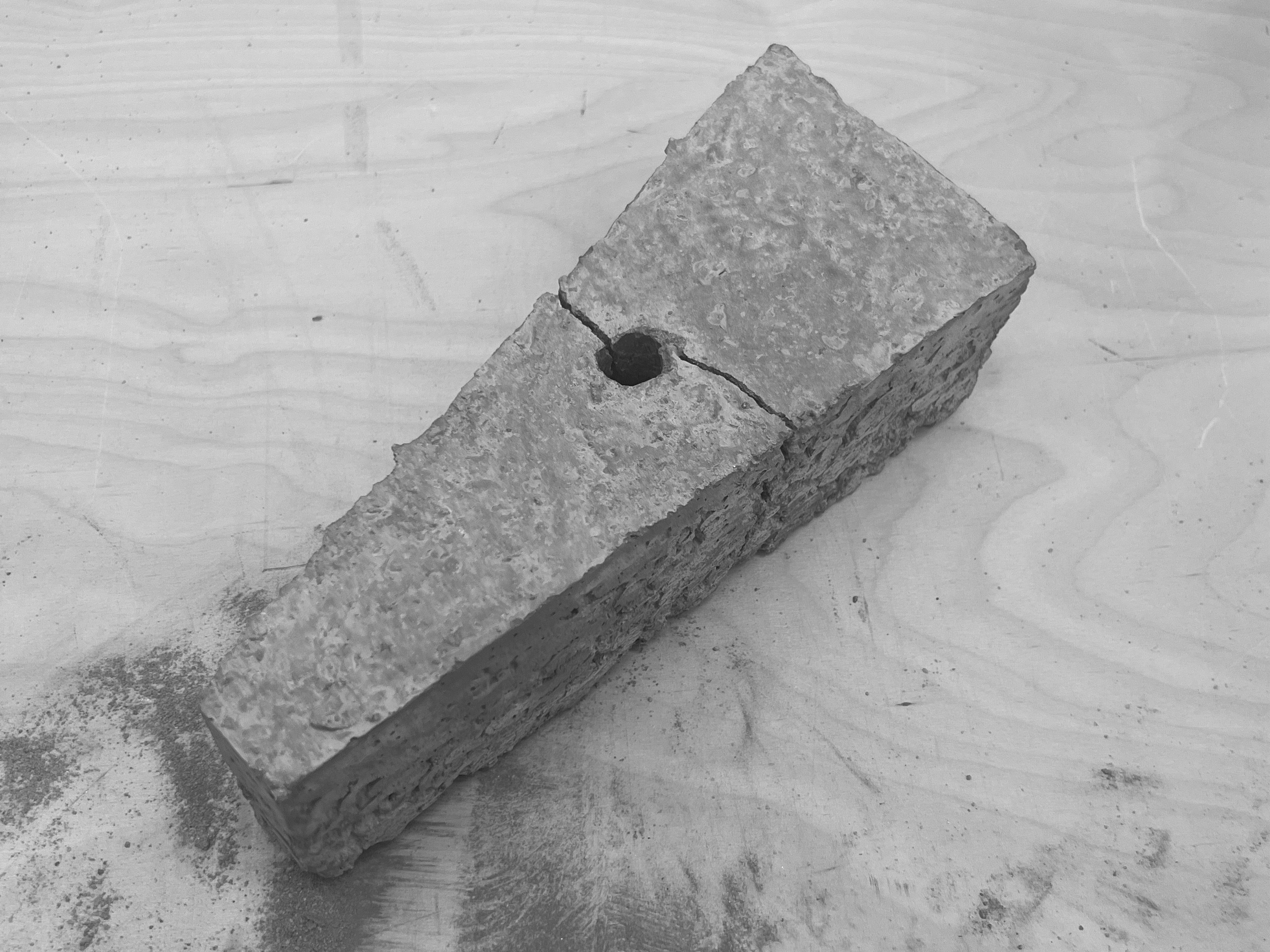

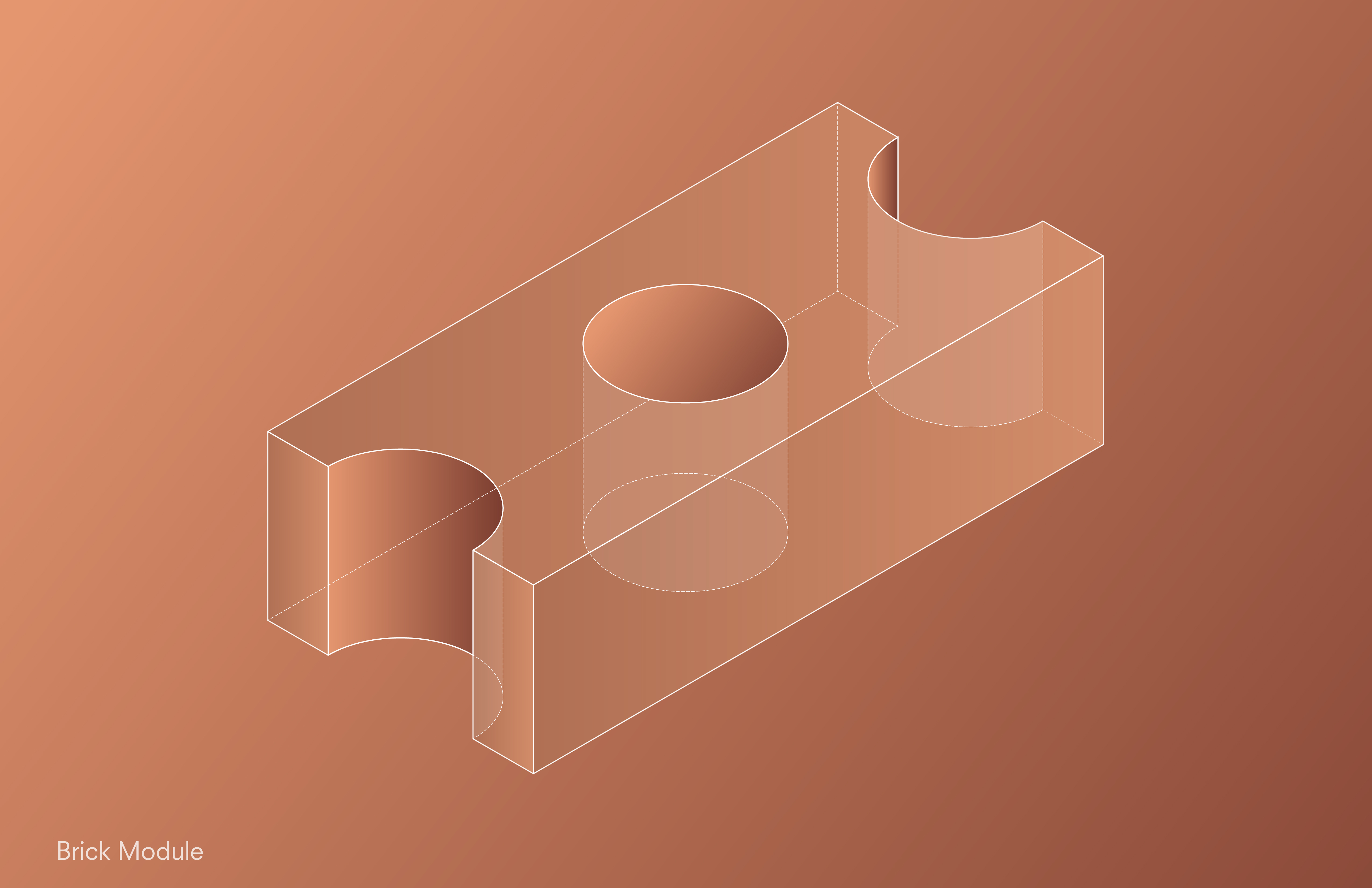
I don't consider this solely an architecture project. As the title states, this is a brick project. I literally spent 3/4 of this projects timeline designing a single brick. In the end, I came up with something that could have in theory taken me 30 minutes. Spoiler alert, it's a brick with a hole in the middle, and two semi-circles on either short side. Although this sounds simple (it is), sometimes it takes a tremendous amount of work and frustration to finally understand this is what was needed all along. Never-the-less, I present to you the full process.
Oh...the brick is designed to be implemented for typical primary school construction in Tanzania, and will allow for passive cooling and the ventilation necessary to fight heat and mosquitos.
Designer
4 months
Designer (Ben Simmons)
Design critic (Liz McCormick)
Adobe Creative Suite, Rhino 3D, V-Ray, concrete casting, carpentry, physical prototyping
1. Design a modular brick prototype that reduces the need for excessive formwork, and can be built by builders with no formal training. 2. The module must provide some form of protection against mosquitos carrying disease commonly found in Tanzania.
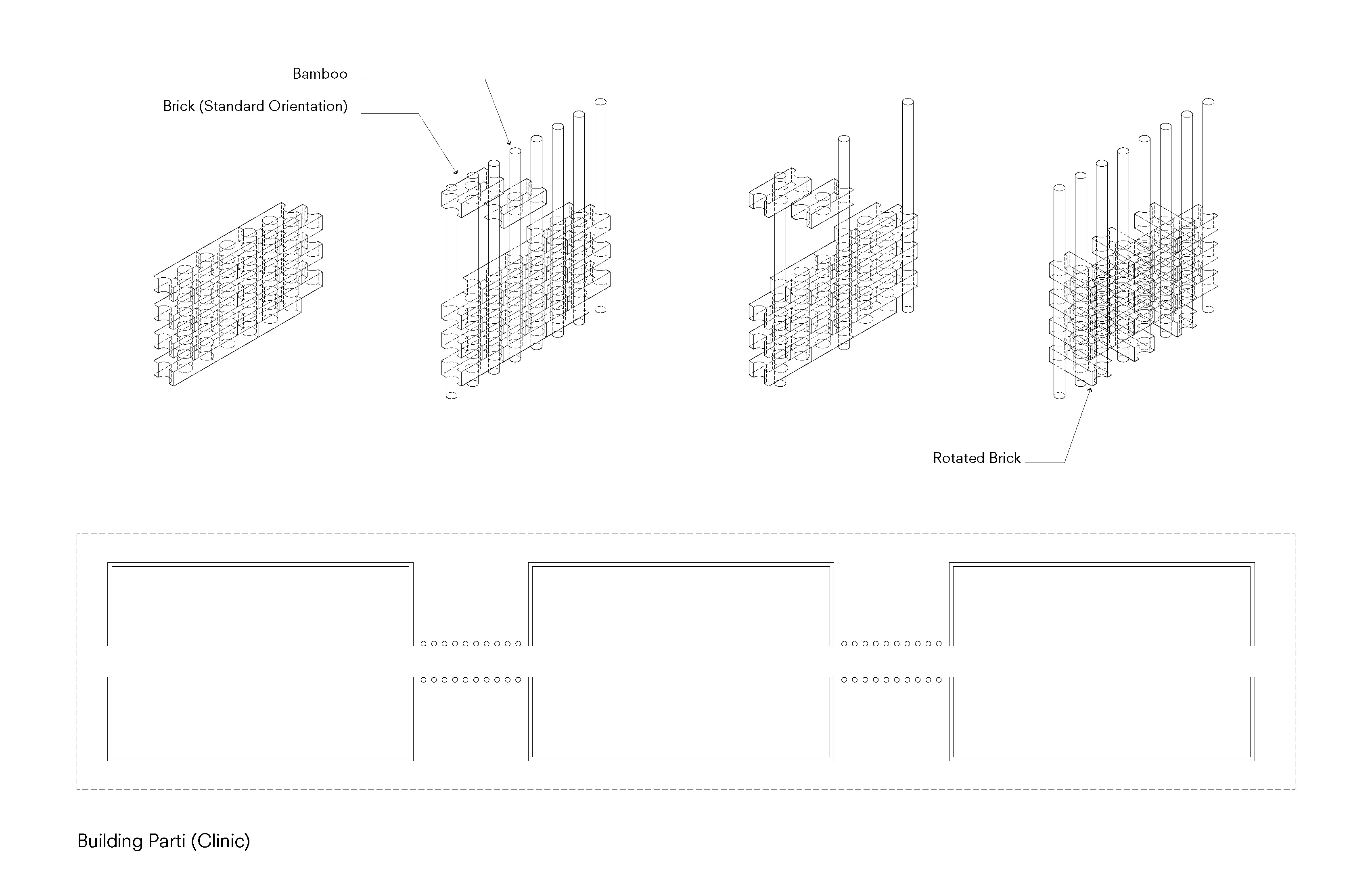
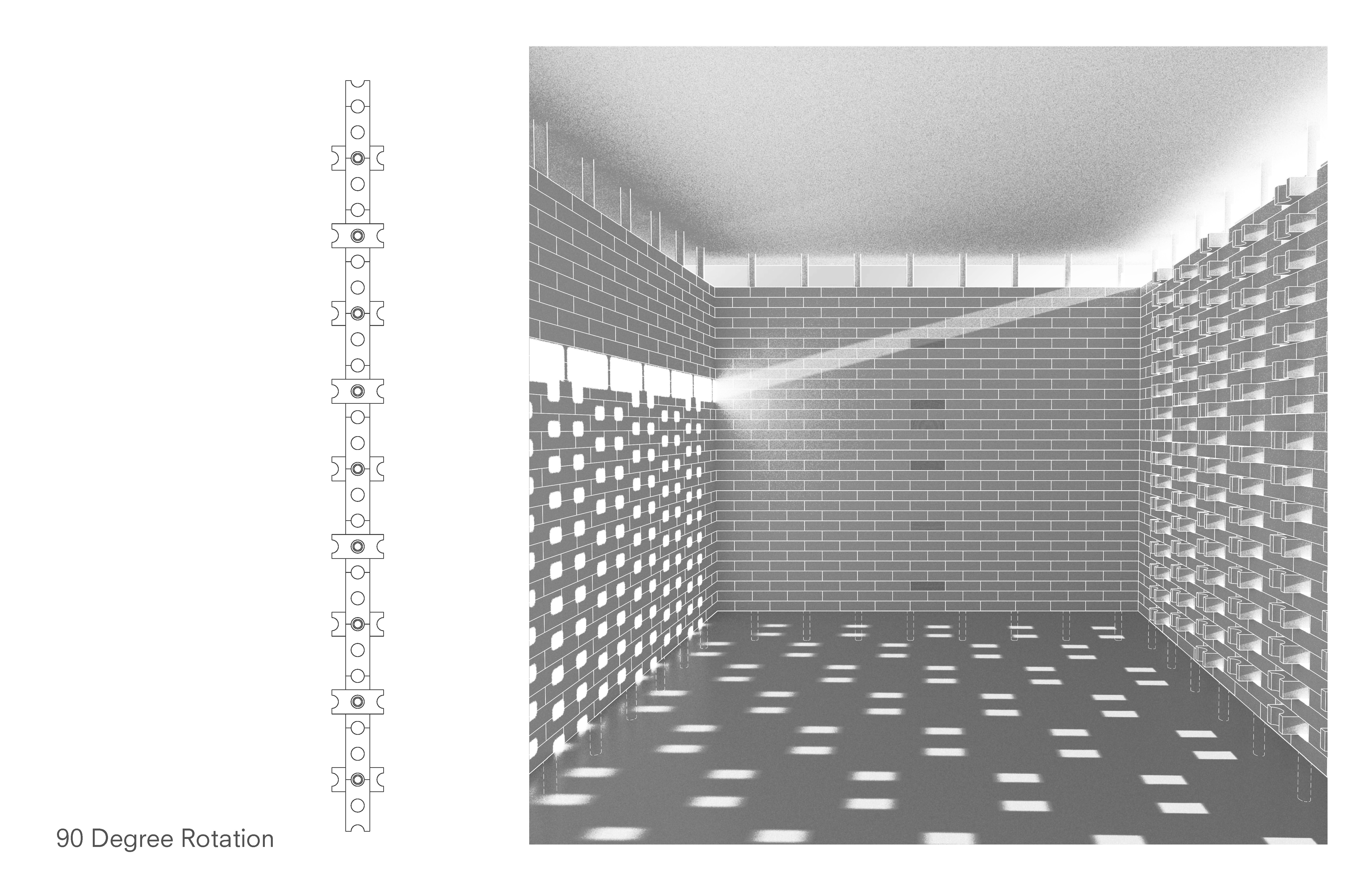
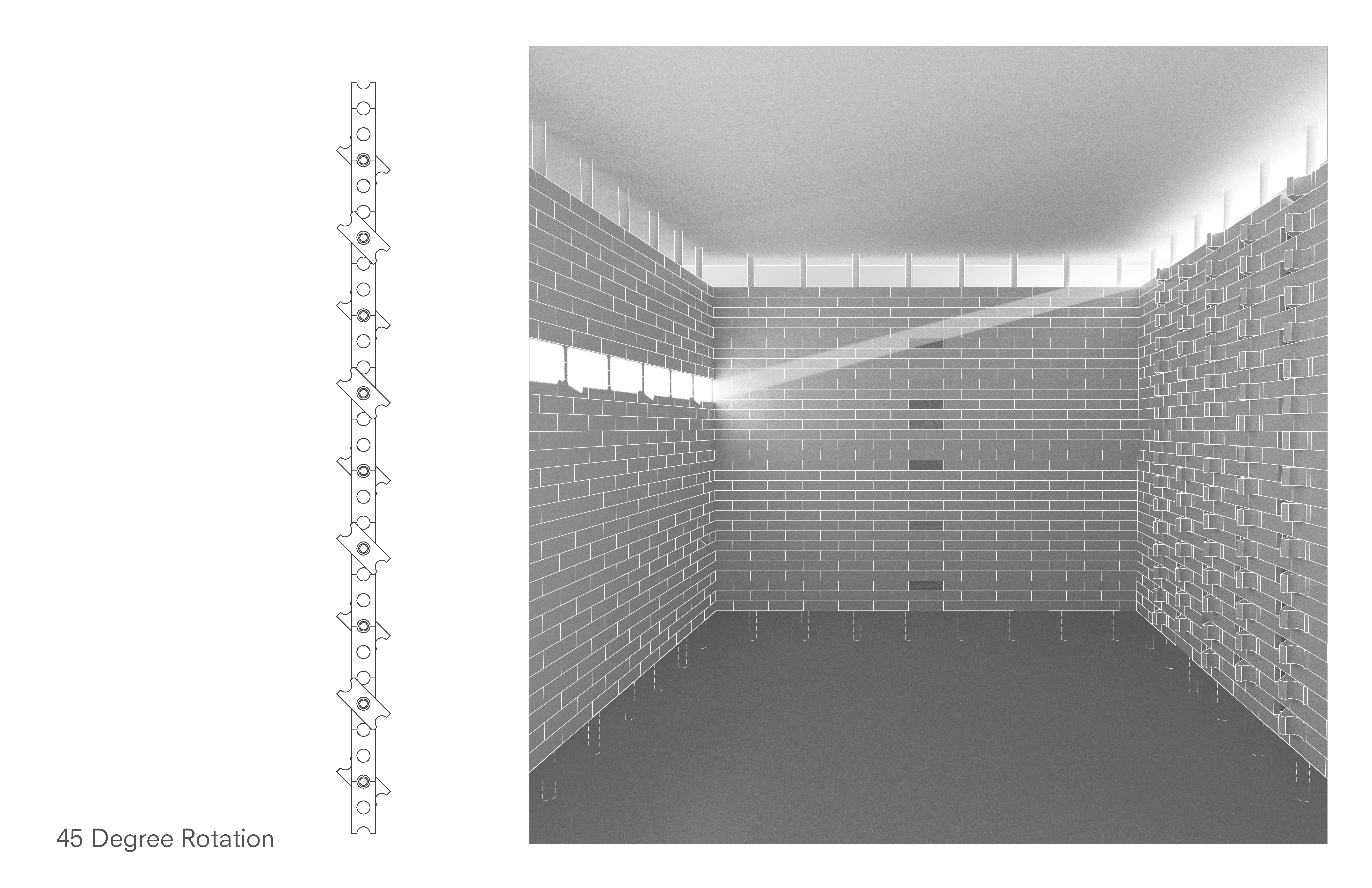
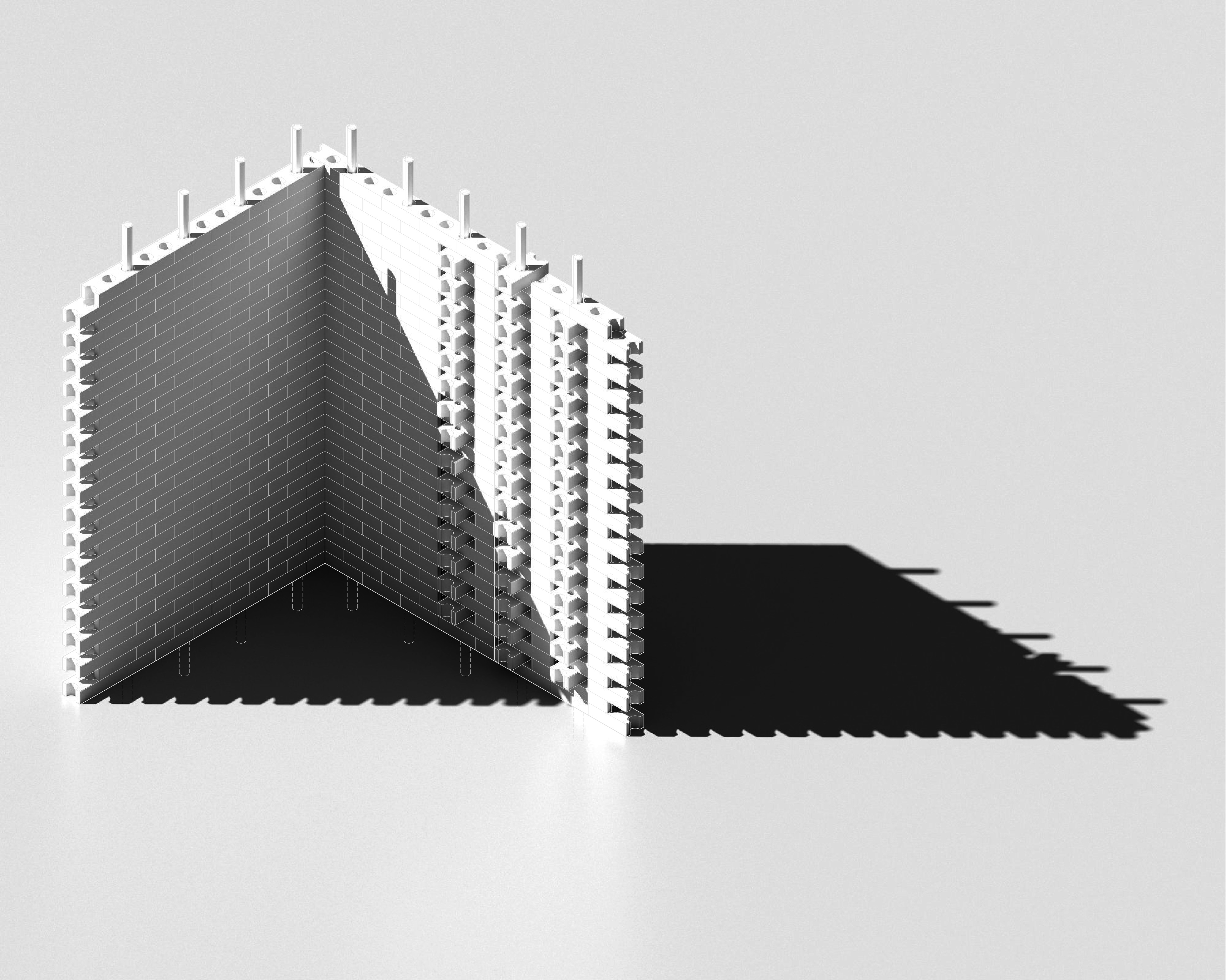
The solution involved a singular brick designed to rotate on a central axis. As you will come to see, this central axis is also part of the buildings structure and ties the buildings floor and roof elements together.
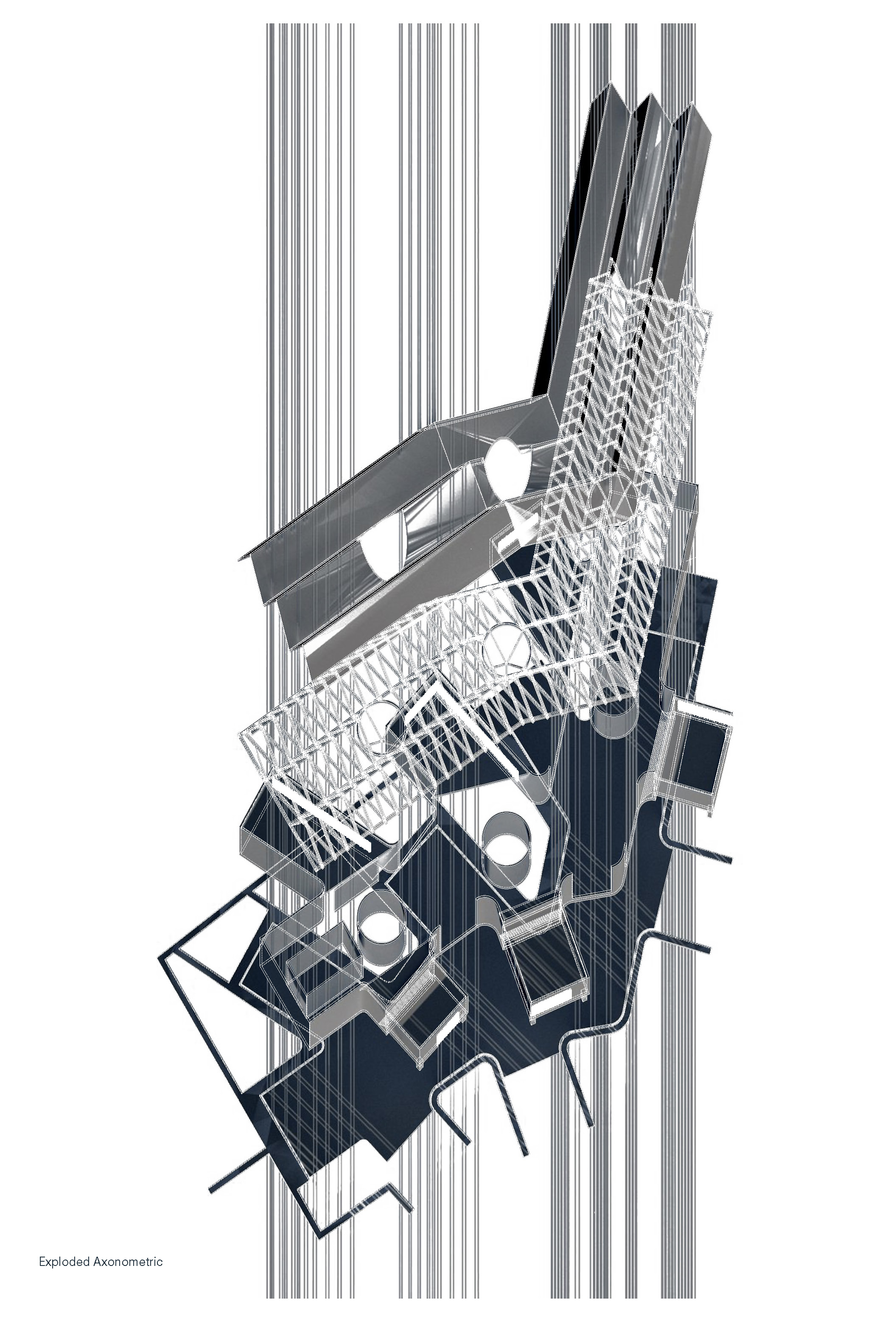
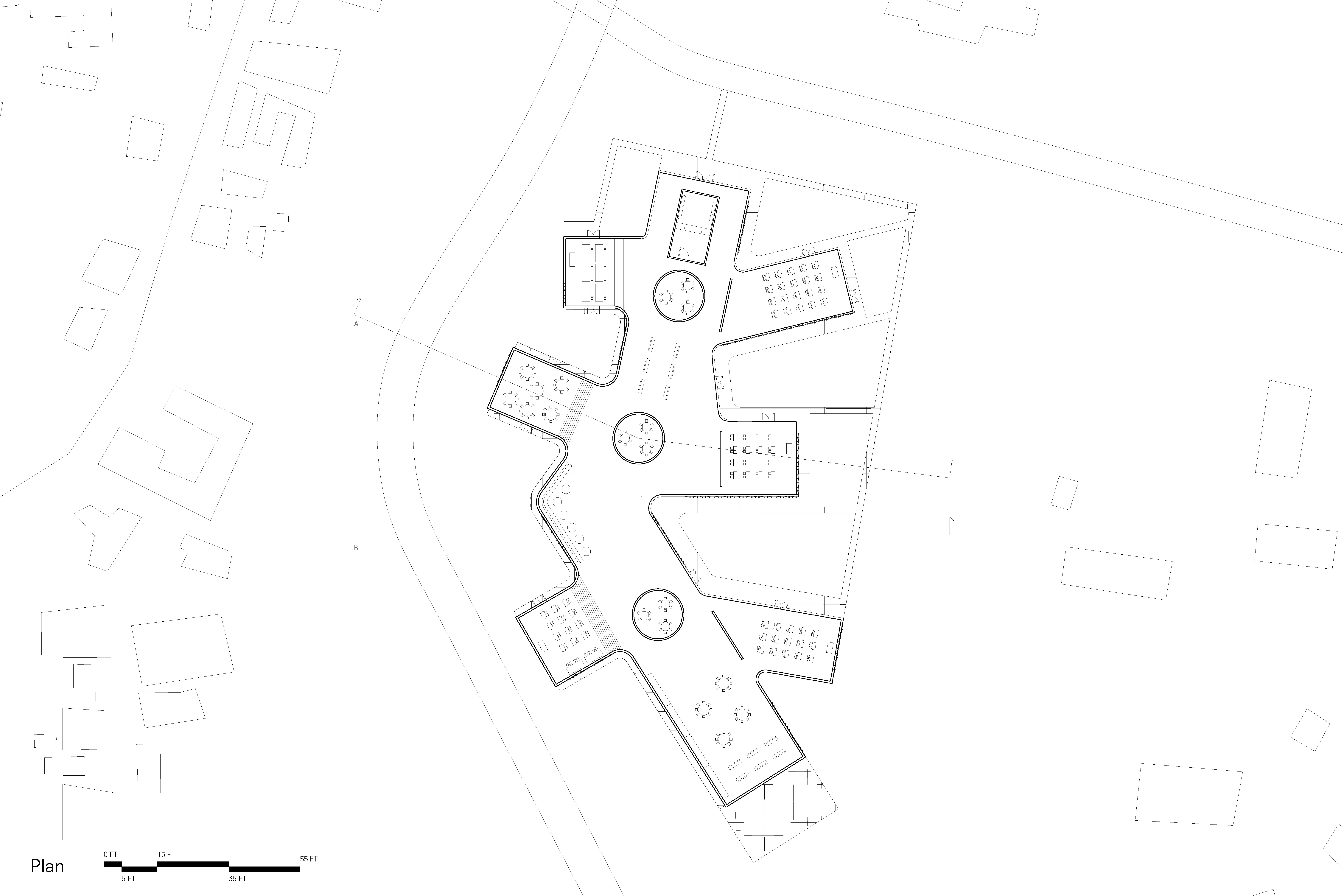
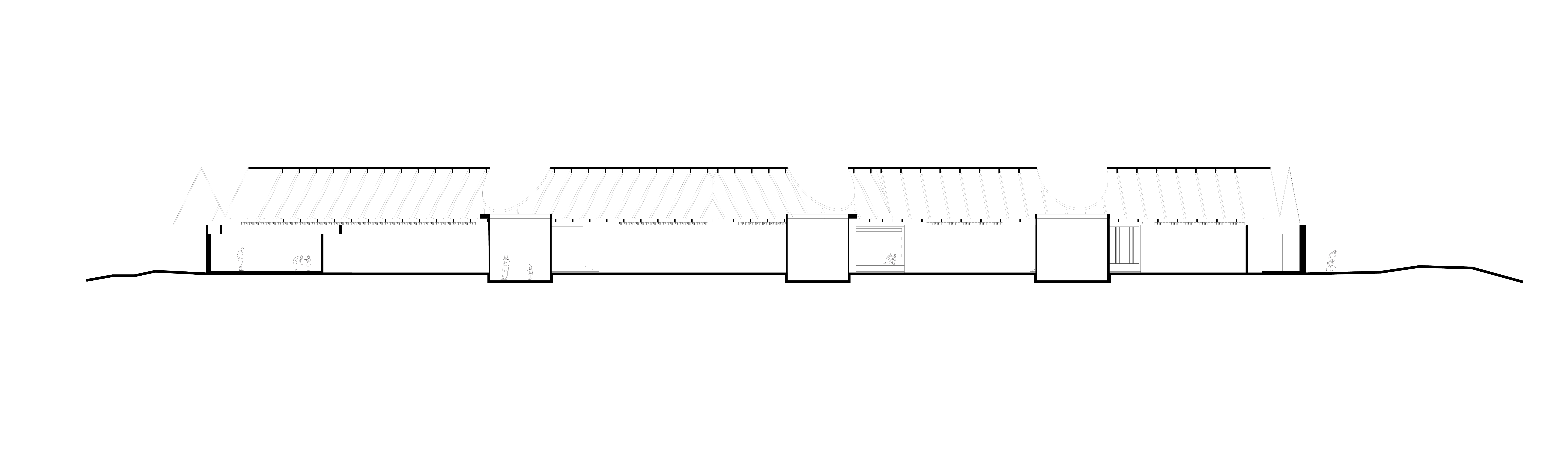
The design of the brick directly influences the buildings parti. From plan, to section, down to wall details, the bricks form is found throughout the building design.
For this particular project, our wireframing consisted of different phases of iteration. The first phase involved detailed diagrams of space manipulation and program hierarchy, focusing on the needs to the users and their ability to navigate the large space seamlessly while maintaining boundaries for more private areas within the building.
The next phase included more refined wireframes that explored the atmosphere of the place; how does the user experience an entrance, an aperture, or even the material they are surrounded by. This was all an important focus of the project and its accessibility to users.
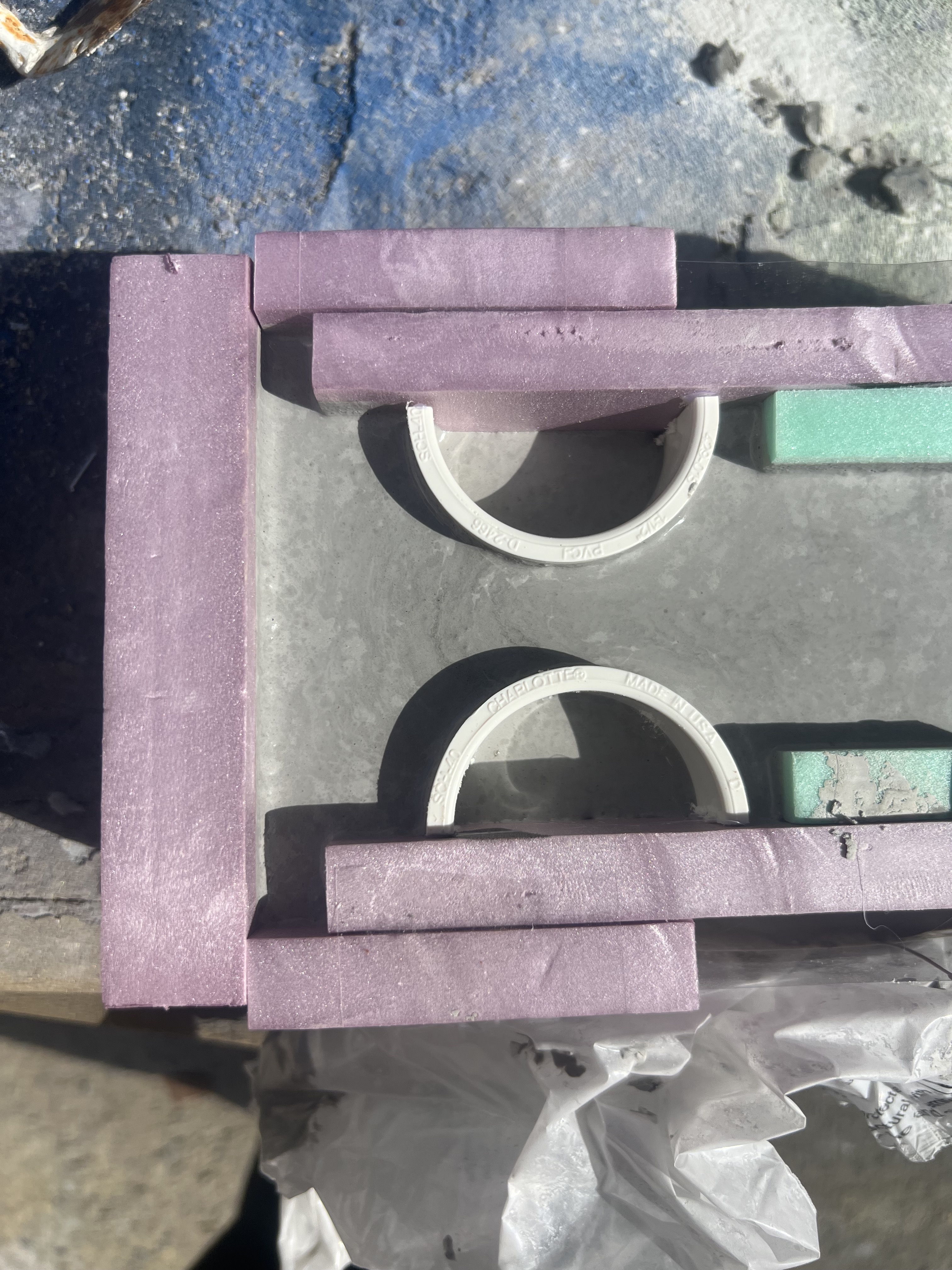
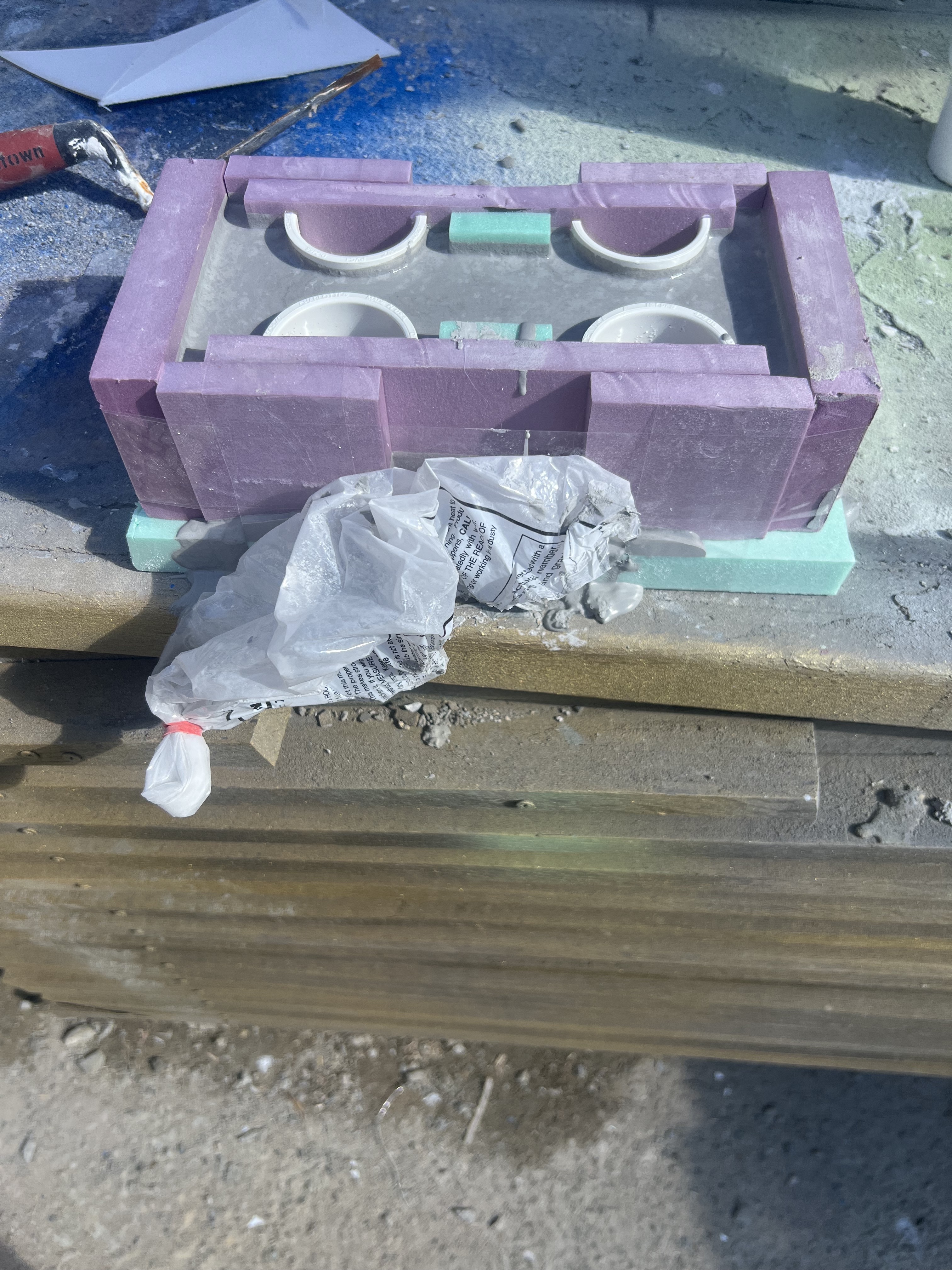
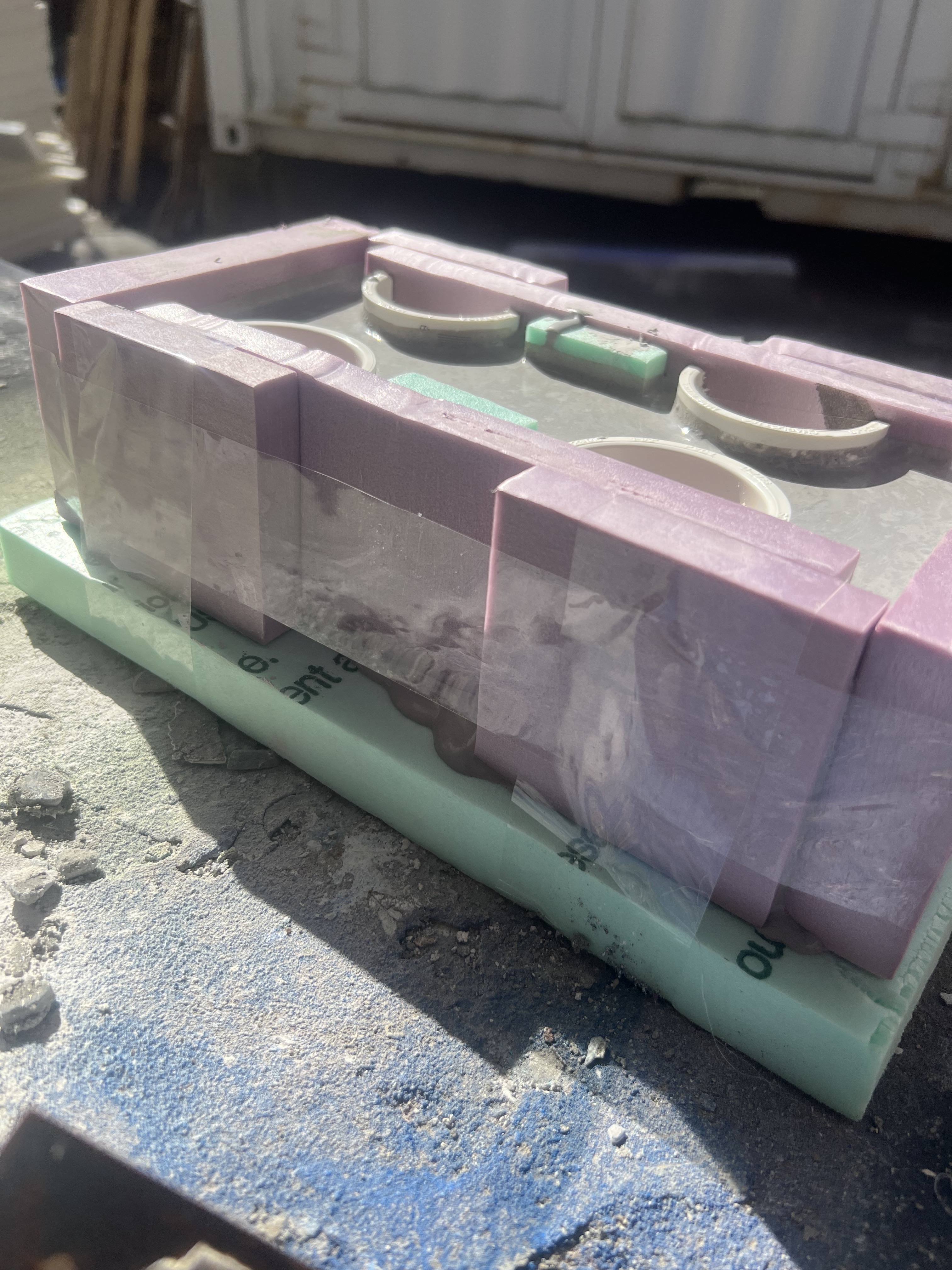
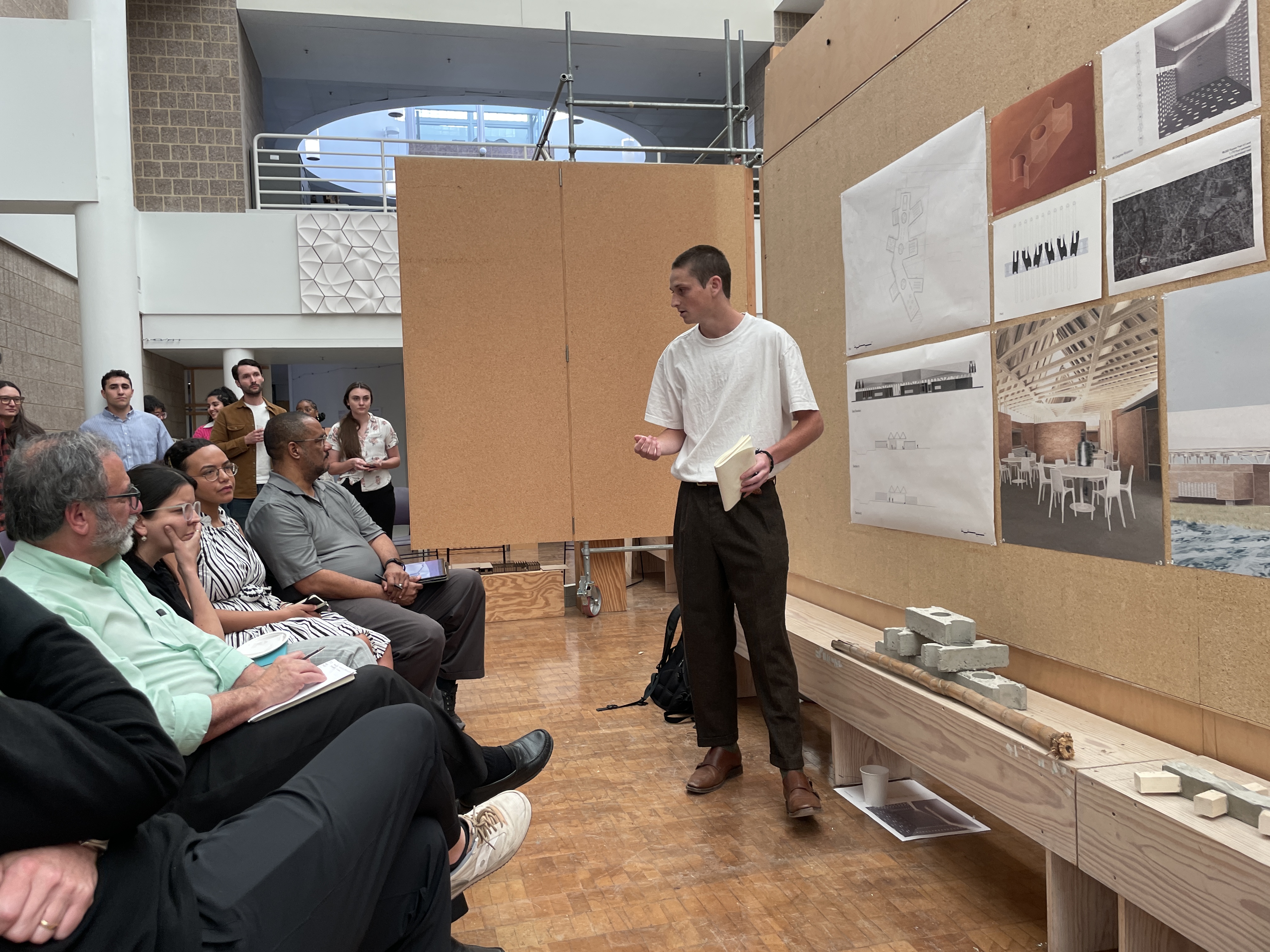
After the largely digital exploration of the bricks form, I began prototyping a final design for the brick using woodworking and casting. Although the bricks in Tanzania would be cast with clay, I used concrete in order to create more prototypes at once while keeping in mind the process of a typical brick mason in Tanzania.
During construction, the bamboo would allow the bricks to rotate, creating a perforated effect in the brick wall. This flexibility creates airflow throughout the building as well as sunlight. The rotation of the brick allows for the building facade and form to be co-authored by the builders. Bricks can be rotated in the best possible orientation to allow for maximum thermal comfort based on the site.


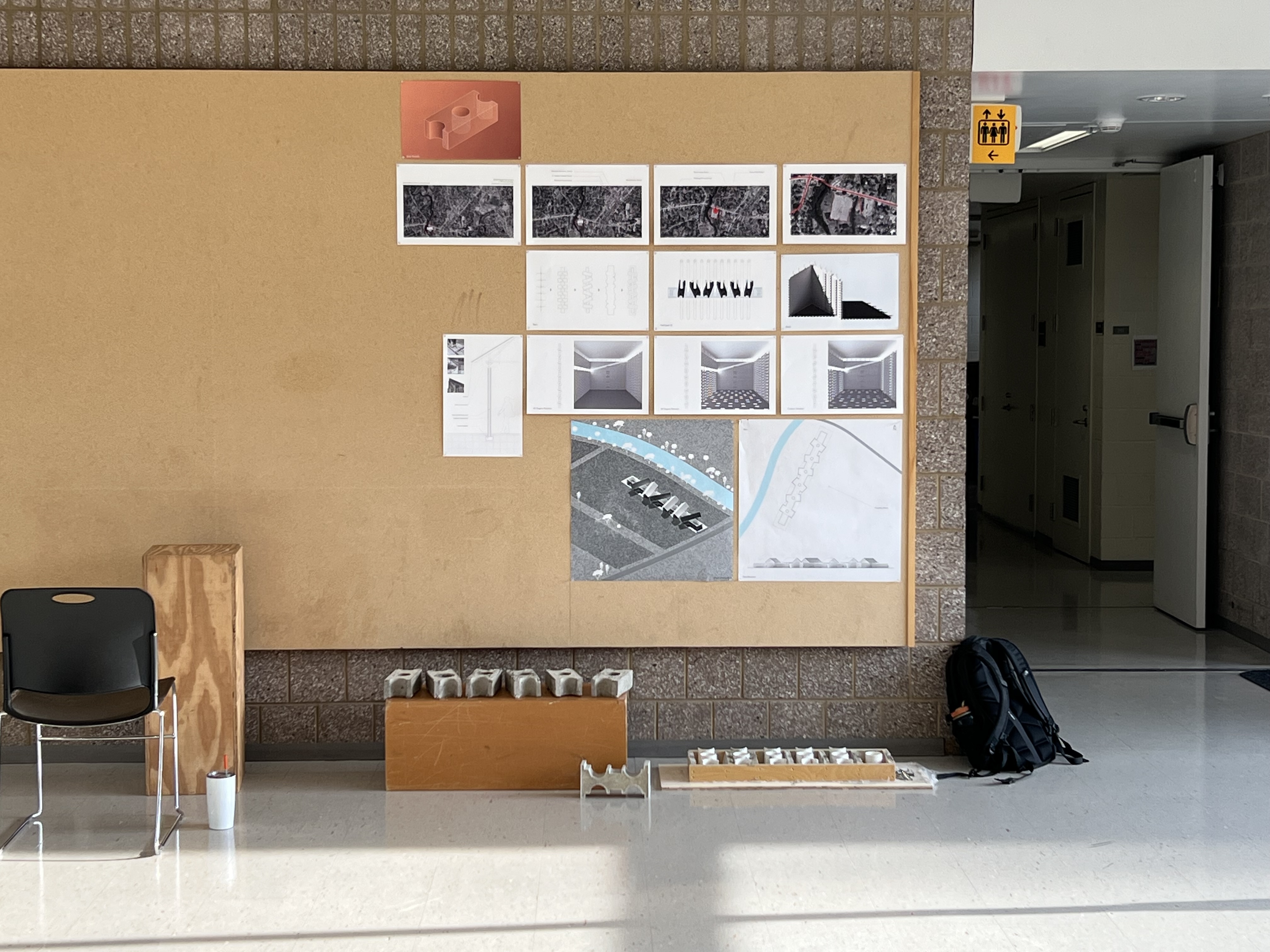
The school I am proposing uses a single designed brick module to be applicable throughout the building, while in this specific iteration, the building’s form responds to the movement of the brick itself when in construction. The concept of this brick was influenced by the idea of affordable and easy construction in low-tech building solutions. First researching Compressed Earth Blocks (C.E.B’s) and the interlocking component that eliminated the need for mortar, then designing a form that would allow a brick to become flexible during construction. The brick design is one with a hole in the center to allow for bamboo structure to pass through the wall cavity, with semi circles on either side of the brick so that it could continue a running bond.
.jpg)
.jpg)